EN
EN

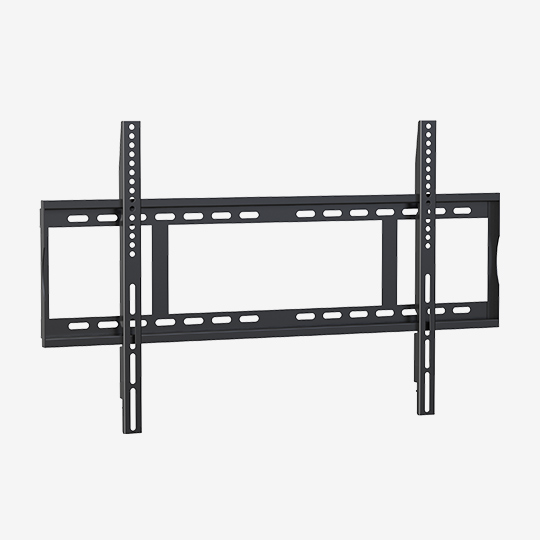
Most mainstream displays on the market use the international standard VESA hole size, so in normal cases, compatibility installation can be achieved easily. However, there are still a few displays that have hidden VESA holes behind cover panels, and these panels need to be removed to reveal them. Except for these two situations, it is rare for display manufacturers to deviate from standard practices, leaving only their original brackets for use. How can this be resolved?
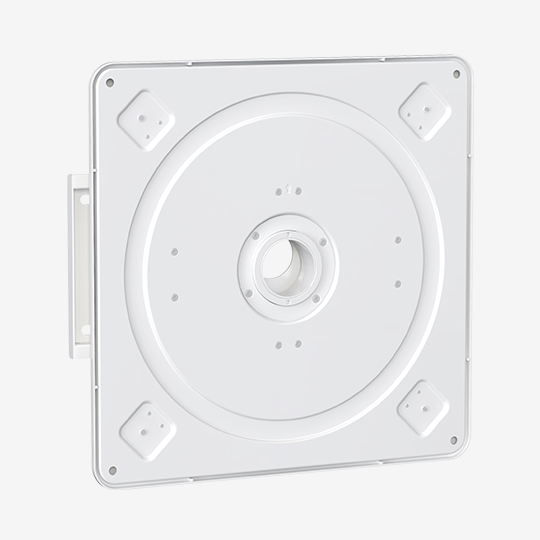
Don't worry, there are ways around this. For displays without VESA holes, separate hole-less accessories can be purchased to be used with a TV bracket. X-shaped conversion accessories can be used with brackets to achieve the same effect as with displays that have VESA holes; there is almost no difference. The only possible issue might be the appearance, as it may not adapt as well to some displays as others.
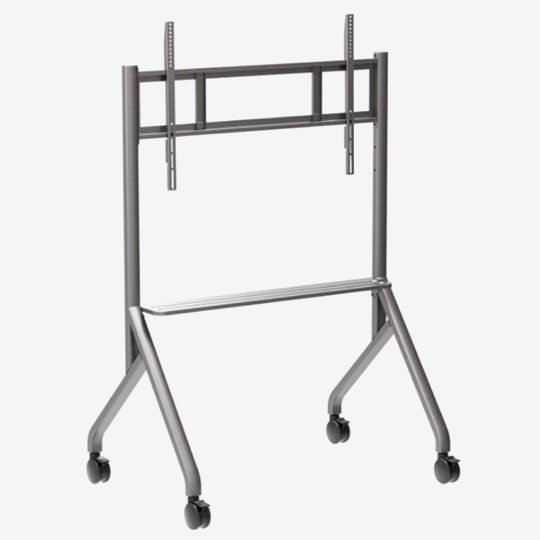
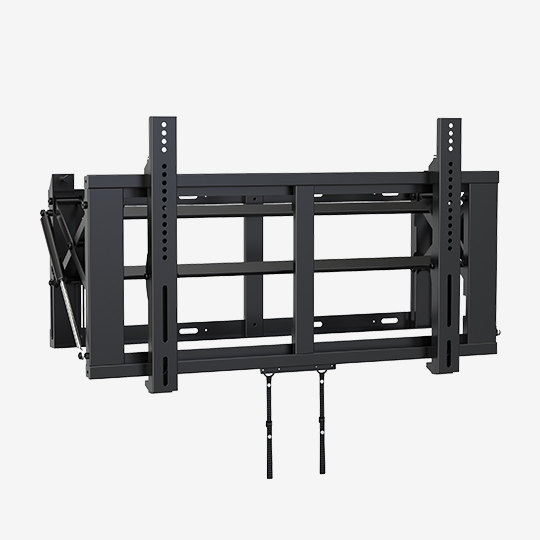
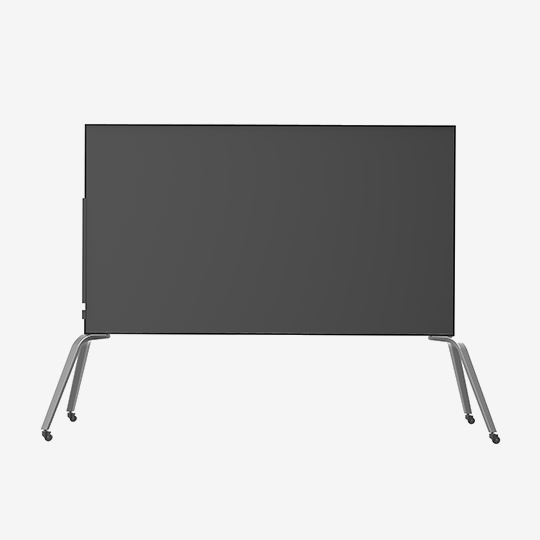
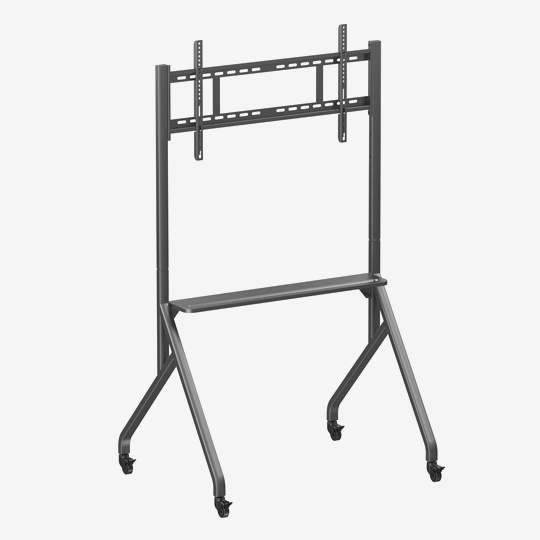
Before purchasing a display bracket, we should first understand the size of the display, as larger displays can have a noticeable impact. For example, large displays that switch between horizontal and vertical screens may touch the desktop, while with a TV bracket, this will not be an issue. The second issue is the weight of the display. We should consider whether the weight of the display is within the carrying range of the TV bracket. If the display bracket is unable to support the weight of the display, there may be head sinking or locking issues. After understanding the size and weight of the display, you can find reference information about the bracket in the product details.
Each TV bracket for sale has different adjustment angles, even if they are from the same brand. Different products may have similar appearance and materials, but their angle adjustments can be vastly different.
This is why the prices of similar-looking brackets can vary greatly. Before purchasing a TV bracket, it is recommended to understand your own needs to avoid buying a product that doesn't meet your expectations. These are the important points to consider when choosing a display bracket, and we hope to share more knowledge about display brackets with you. Continue following us at iworkhub for more updates!
 What Should You Pay Attention to when Installing TV Wall Brackets?July 21, 2021When many users install the TV, due to related problems such as the installation of the TV bracket, the overall installation effect is not good, which affects later use. So they want to know about the...view
 The Role of TV Brackets in Smart Medical Care and Digital WardsAugust 4, 2022Smart medical digital ward is the trend of modern medical development. The scale of the industry is constantly expanding, and it is obviously transforming in the direction of entertainment, high-end, ...view
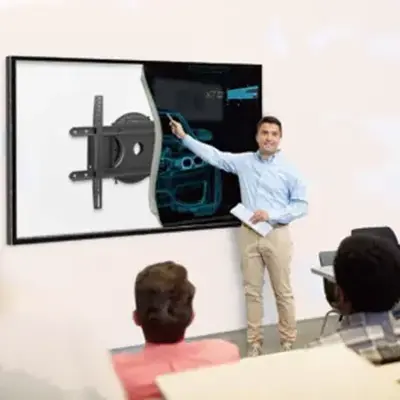 Do You Understand the Importance of TV Bracket to White-collar Workers?July 21, 20211. The advantages of using a TV bracketAlthough it is called a TV bracket, the TV bracket can also be used as a computer monitor bracket. It is a bracket used to adjust the height of the display, so t...view
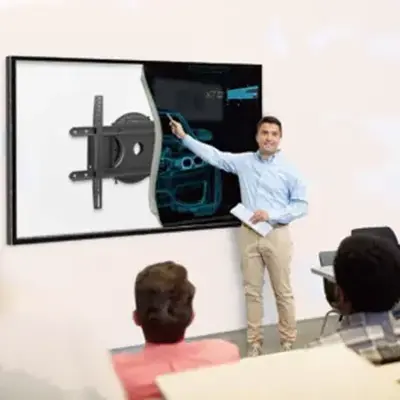 Increase the Efficiency of Your Meetings with This Meeting PresenterOctober 14, 2022It's time to take stock of the projects of various companies, and comrades are running around in various meeting rooms. It can be said that meeting is a more painful process than attending classes...view
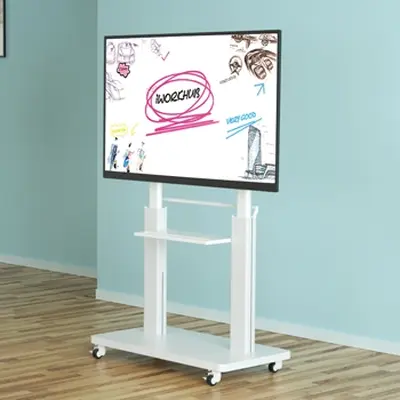 Multifunctional Retractable TV HangerAugust 4, 2022Electric lift wall bracket is a TV peripheral equipment specially developed for flat-panel TVs and LCD TVs to be hung on the wall. Suitable for offices, conference rooms, exhibition halls, hotels, air...view
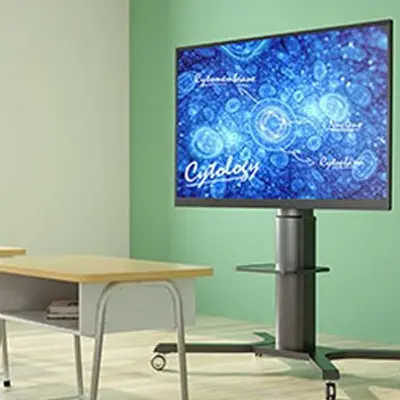 Support for Remote Hospital TV Mounts Monitoring Mechanical ArmMarch 16, 2023With the improvement of medical informationization, the form of Internet Plus Medical has been widely applied, and remote medical treatment has gradually become the development direction of large and ...view
 Email Us:
  Room D, 10/F, Tower A, Billion Centre, 1 Wang Kwong Road, Kowloon Bay, Kowloon, HongKong